[Rewrite and expand the following content into a human-written, SEO-friendly article with a minimum of 1000 words. Never write less than 800 words. Keep all facts accurate. Add one comparison table if relevant. Return only the final HTML article without any explanations.
If you’ve ever looked closely at the exterior of your home, you’ve seen the mortar (the cement-like material) between your bricks. But there is a specific art to maintaining that mortar, known in the trade as pointing.
Whether you’re dealing with a damp patch indoors or you’ve noticed your garden wall looking a bit ‘crumbly’, understanding pointing is the first step to protecting your home’s structural integrity—and its value.
What is pointing?
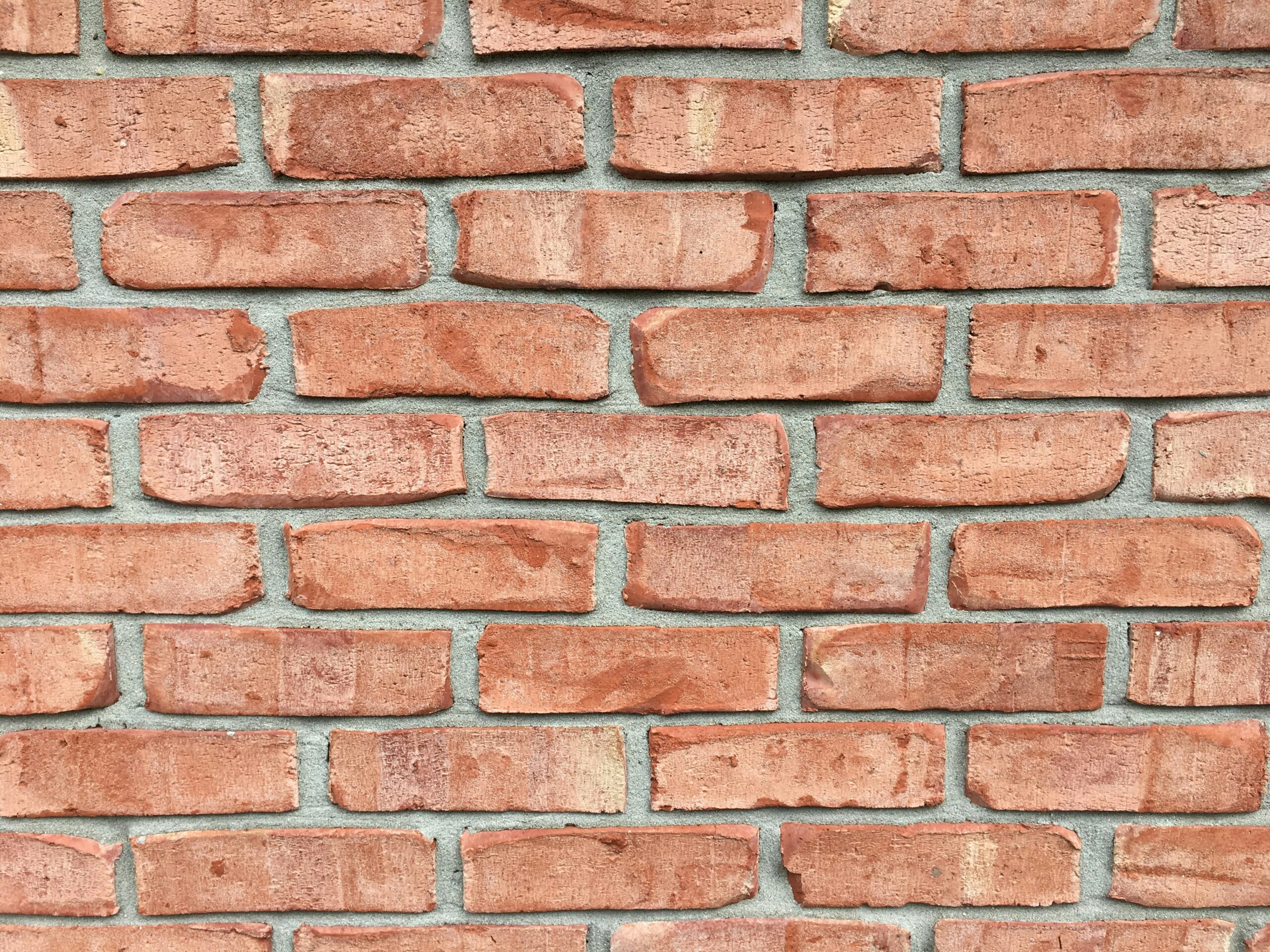
Pointing is the term used for the finished look of the mortar joints between bricks or stones in a wall. While the mortar holds the bricks together, the pointing is the external layer that acts as the primary seal against the elements.
Over time, exposure to rain, frost, and wind causes this mortar to erode. Repointing is the process of removing the old, damaged mortar and replacing it with fresh material to restore the weatherproofing of the building.
Why is pointing important for your home?
Many homeowners view pointing as a cosmetic fix, but it serves a vital structural purpose. Here are the three main reasons you shouldn’t ignore it:
- Prevents damp: Damaged pointing allows water to seep into the cavity or the bricks themselves, leading to damp walls and mould growth inside your home.
- Structural integrity: If mortar erodes too deeply, the weight of the wall is no longer evenly distributed, which can lead to shifting or cracking bricks.
- Saves money: A small repointing job today is significantly cheaper than fixing a major damp issue or rebuilding a structural wall in five years.
3 signs your home needs repointing
You don’t need to be a structural engineer to spot the warning signs. Take a walk around your property and look for:
- Crumbling mortar: If you can scratch the mortar away with your finger or a key, the bond has failed.
- Visible gaps: If you can see deep recesses where the mortar should be flush with the brick, water is already getting in.
- Interior damp: Unexpected damp patches or peeling wallpaper on external walls are often caused by ‘bridging’, where water travels through failed pointing.
What are the different types of pointing?
A professional mason or bricklayer will choose a pointing style that matches the age and material of your home. The most common in the UK include:
- Flush pointing: The mortar is level with the brick, common in modern builds.
- Weather struck pointing: The mortar is angled so that rain sheds off the wall easily, this is considered the most durable for the UK climate.
- Tuck pointing: A decorative finish used primarily on heritage properties to give the illusion of perfectly uniform brickwork.
- Lime mortar: Essential for period homes (pre-1920s), as it allows the old bricks to ‘breathe’. Using modern cement on old bricks can actually cause them to crack.
Can I do it myself or should I hire a pro?
While repointing a small garden wall is a popular DIY task, repointing your house is a different league.
Why hire a pro?
- Dust & height: The process involves grinding out old mortar, which creates immense dust and often requires scaffolding.
- Material matching: Professionals ensure the new mortar matches the strength and colour of the old, preventing patchy looking walls.
- The right mix: If the mortar mix is too hard, it can cause the faces of your bricks to pop off (spalling).
How much does repointing cost?
The cost of repointing depends on the size of the area and whether scaffolding is needed. On average, you can expect to pay between £20 and £50 per square metre. For a full semi-detached house, the project usually takes several days and requires a specialist touch.
Need a local expert to check your brickwork?
Don’t wait for the next heavy downpour to find a leak. At Rated People, we connect you with trusted, local bricklayers and stonemasons who can get your home match-ready for winter.
👉Post a job today and get quotes from local specialists.
FAQs:
How long does pointing last?
On average, good quality pointing should last between 30 and 50 years, depending on the exposure of the wall to the elements.
What is the best time of year to repoint a house?
The best time is Spring or Autumn. Extreme heat can dry the mortar too quickly (causing cracks), while frost can ruin wet mortar before it sets.
Proud to be a Top 100 Home Improvement Blog!
Looking for more expert trade tips, maintenance hacks, and project pricing guides? You’re in the right place! We are thrilled to share that Rated People has been officially featured in Feedspot’s Top 100 Best Home Improvement Blogs. We love helping UK homeowners protect their homes, and we couldn’t do it without our incredible community of skilled tradespeople. Check out our latest articles on our blog homepage to keep your space in top shape.
Leave a Reply