Category: Home Improvement

  • How much does installing a water softening system cost in 2026?[/gpt3]

    How much does installing a water softening system cost in 2026?[/gpt3]


    The prices in this cost guide are accurate as of 2026*

    Dealing with limescale is a daily battle for countless households across the UK, particularly in hard water hotspots like the South, East Anglia, and the Midlands. From scrubbed-raw shower screens to chalky buildup around kettle elements, hard water definitely leaves its mark everywhere.

    Worse still is the hidden impact on your plumbing. Over time, limescale can quietly accumulate inside your boiler, hot water cylinder, and home appliances. This restricts water flow and forces your heating systems to work harder to warm up, which can trigger higher energy bills and potentially reduce the reliable working lifespan of your appliances if left unmaintained.

    If you are tired of aggressive cleaning chemicals and want to protect your home’s infrastructure, an ion-exchange water softener system for home protection is an excellent solution. This guide breaks down the true cost of installing water softener system hardware, the different types of units available, and what to expect from professional plumbing fees.

    How much does water softener installation cost?

    On average, the total cost to supply and professionally fit a domestic water softener in the UK ranges from £700 to £2,500.

    For a standard three-bedroom semi-detached family home, the complete cost of water softener system installation usually lands somewhere between £1,100 and £1,900 all-in. The wide pricing window is mostly driven by the capability of the unit you choose, your household water consumption, and the layout of your existing pipework.

    Cost breakdown by system type

    The technology behind water treatment varies, directly affecting both the performance and your upfront hardware budget:

    • Budget single-cylinder electric systems: These models rely on an electric timer or digital meter to flush and regenerate the system with brine water at pre-set intervals. While compact and affordable, you will temporarily have no soft water available during the regeneration cycle. A basic single-tank system generally costs between £400 and £800 for the unit alone.
    • Mid-to-premium twin-cylinder non-electric systems: These dual-tank units are powered entirely by the kinetic energy of your incoming water pressure, requiring zero electrical wiring. Because they have two resin cylinders, one is always filtering your water while the other cleans itself, giving you an uninterrupted, 24/7 supply of soft water. Highly popular among families, these premium units (from leading brands like Kinetico, Harvey, or EcoWater) range from £850 to £1,700+ for the hardware.
    • Commercial or large-capacity systems: If you own a large property with five or more bathrooms, multi-jet power showers, and high simultaneous water demands, you will need a commercial-grade high-flow system. These robust units typically start around £2,000 and can scale past £3,500.

    Estimated price guide: Unit vs. labour

    If you are trying to budget for your plumbing project, these guide figures outline typical market rates across the UK:

    Project component Typical price range What it covers…
    Water softener unit only £400 – £1,700 The hardware itself, varying by cylinder count and brand efficiency.
    Professional plumbing labour £150 – £450 Standard installation, system positioning, and plumbing connection.
    Additional plumbing materials £50 – £200 Bypass valves, copper or flexible high-flow hoses, and overflow lines.
    Optional outdoor insulated cabinet £150 – £250 A weatherproof, frost-resistant housing if cabinet space is tight indoors.

    Upgrading to an integrated filtration system?

    If you want to tackle both limescale and drinking water purity simultaneously, a combined home water softener and filter system is a highly popular option. Adding an inline activated carbon or multi-stage reverse osmosis filter alongside your softener will usually add an extra £150 to £450 to your hardware and installation costs, giving you bottled-quality water straight from a dedicated kitchen tap.

    Key factors that affect your final quote

    When a qualified plumber or water treatment specialist evaluates your home, several technical variables will dictate the estimate of your final cost of water softener system installation:

    1. Location of the plumbing infrastructure

    Whenever possible, installers look to position a water softener close to your property’s internal stopcock, which is commonly situated inside a kitchen sink base unit or an adjacent utility room cupboard. This ensures all water entering the house is treated immediately. However, if space is tight, units can also be successfully fitted in garages, ventilated basements, or even an insulated outdoor cabinet, though running the extra pipework can increase your labor fees.

    2. Accessibility to waste drainage

    During its self-cleaning phase, a water softener needs to discharge its accumulated mineral brine water safely out of the house. This means the unit must be positioned within reasonable reach of a washing machine standpipe, a sink waste trap, or an external drain line. If your plumber has to install a dedicated waste run through walls or floors to create an accessible drainage point, it will add to the complexity of the job.

    3. Water pressure and flow rates

    Modern unvented hot water systems and high-end combi boilers rely on high flow rates to deliver strong shower pressure. Your installer will check your incoming mains pressure before choosing a unit. If your property suffers from poor water pressure, a basic softener might restrict your flow further, meaning you may need a low-pressure configuration or an integrated booster pump, increasing your total material costs.

    Can I install a water softener system myself?

    While some budget water softeners are marketed online as DIY-friendly kits using flexible push-fit hoses, it is highly recommended to hire a professional plumber for the job.

    Fitting a softener involves cutting directly into your property’s fresh water supply. If it is plumbed incorrectly, you risk restricting your home’s main water pressure, creating a hidden leak that could damage cabinetry, or accidentally back-contaminating your supply.

    A professional installer will ensure an appropriate bypass valve system is fitted. This allows you to easily isolate the softener for servicing or use unsoftened water for tasks like watering the garden, which saves you money on salt. Furthermore, many premium manufacturers will only honour their extensive parts warranties if the system is commissioned and signed off by an approved installer.

    FAQ’s

    How much does it cost to run a water softener annually?

    Running costs depend on your household water consumption and the specific model you choose. For a standard family home, you can expect a typical annual spend of roughly £60 to £135 on block or tablet salt, alongside a modest increase in your water bill for the water used during the self-cleaning cycle. For electric models, the electricity consumption is generally negligible, typically estimating out to less than £10 a year.

    What is the best home water softener system for an average UK property?

    For the average three-to-four-bedroom UK family household, the best home water softener system configuration is widely considered to be a non-electric, twin-cylinder metered unit. Brands like Harvey (such as the Minimax M3) and Kinetico are top industry choices because they operate using incoming water pressure alone and provide a continuous supply of soft water without any electrical downtime.

    Can you drink softened water?

    The ion-exchange softening process adds a very small amount of sodium to the water. While it is generally considered safe to drink for most healthy adults, the extra sodium means it isn’t ideal as a primary drinking source. Specifically, the Department of Health advises against using softened water to prepare infant formula. To be entirely safe and practical, most installers will route a dedicated, unsoftened hard water tap to your kitchen sink specifically for drinking, cooking, and filling the kettle.

    How long do water softener systems last?

    A high-quality, professionally maintained twin-cylinder water softener can easily last between 15 and 20 years. Lower-end, budget electric single-tank units generally have a slightly shorter lifespan, often requiring replacement or internal resin adjustments after 6 to 10 years.

    Ready to say goodbye to limescale?

    Protect your plumbing, eliminate crusty buildup, and enjoy softer water throughout your home. At Rated People, we connect you with thousands of trusted, local, and fully accredited plumbers and water specialists who can integrate the ideal softening system into your property. Post a job today to receive free, no-obligation quotes from rated installation specialists in your local area.


    Source link

  • Why you should book your landscaping service through Rated People[/gpt3]

    Why you should book your landscaping service through Rated People[/gpt3]


    Whether you are dreaming of porcelain paving patios, architectural retaining walls, or a complete garden redesign to create an outdoor living room, a premium landscape transformation is a major investment.

    When you are spending thousands of pounds to overhaul your outdoor space, you want to ensure the job is done right the first time. But knowing how to screen contractors and align your budget with complex structural designs can feel incredibly daunting.

    If you are wondering what you should look for when hiring a landscape service, we have broken down the essential criteria below, and explained how booking through Rated People Projects takes the risk, stress, and guesswork out of the entire process.

    What should I look for when hiring a landscape service?

    When you are investing in large-scale hardscaping or structural garden design, you are hiring a specialist structural contractor who focuses on heavy construction alongside the green spaces. To protect your property and your wallet, look for professionals who provide:

    • Robust public liability insurance: This is essential. Major garden transformations often involve heavy machinery, excavation, or structural changes that could affect walls and foundations. A trusted tradesperson will always have comprehensive insurance to protect both you and your property against accidental damage.
    • A proven hardscaping portfolio: Landscaping requires high-level technical expertise in drainage, soil physics, and material science. Ask to see a gallery of past structural installations, particularly projects similar to yours, such as porcelain tile laying, brickwork, or timber decking.
    • Transparent, itemised quotes: Avoid vague estimates. A professional quote should clearly break down the costs of materials (such as sub-base aggregates, paving, and turf), machinery hire, waste disposal skips, and labor.
    • Clear compliance and safety standards: If your garden requires complex retaining walls over a certain height, extensive structural steps, or specialised drainage systems to comply with UK Sustainable Drainage Systems (SuDS) regulations, your contractor must understand these legal specifications.

    The stress-free solution: Rated People Projects

    If you are planning a premium garden transformation, managing multiple quotes and trying to verify credentials yourself can take up a lot of time. That is where Rated People Projects comes in.

    For high-end, complex landscaping jobs, our dedicated service acts as an extra layer of support. We do the initial groundwork before you hire a contractor, helping to connect you with experienced tradespeople quickly and easily.

    Here is why booking your premium landscaping project through Rated People Projects is a smart choice for your home:

    1. We verify your project brief and budget upfront

    With standard services, vague project details can lead to wildly varying quotes from contractors. With Rated People Projects, our team speaks directly with you before your job goes live to clarify your structural plans and target budget. This ensures contractors see an accurate, detailed brief from the start, helping them provide more realistic quotes much faster.

    2. You get access to experienced, highly-skilled tradespeople

    A premium landscape project requires a specific skill set. When your job is published as an Agent Verified project, it is shared with our network of trusted tradespeople. These are highly rated, skilled specialists who have the structural expertise and proven track record required to deliver complex, large-scale outdoor renovations.

    3. We match you with speed and precision

    Searching for available, reliable builders or landscapers independently can involve a lot of dead-end phone calls. Because our team pre-qualifies your project brief, local 5-star tradespeople can review an accurate scope almost instantly. This helps streamline the matching process, making it easier to find an available specialist who wants to take on your specific type of project.

    Planning a premium garden transformation?

    Don’t leave your investment to chance. Whether you are expanding your living space outdoors, building a luxury patio, or installing structural terracing, let our team help you build it right the first time.

    Post your job today and we’ll sort the rest. Rated People – The power to get it done.


    Source link

  • The essential checklist: What to consider before remodelling your house [/gpt3]

    The essential checklist: What to consider before remodelling your house [/gpt3]


    Embarking on a whole-house remodel is an incredibly exciting milestone. Whether you are stripping back a Victorian terrace to create a modern open-plan family hub, adding a double-storey extension, or completely reconfiguring your layout to maximise natural light, a major renovation is a fantastic way to tailor your home to your exact lifestyle.

    However, a large-scale renovation is also a major financial and emotional investment. Without careful planning and the right technical guidance, it is easy for budgets to stretch and timelines to slip.

    If you are wondering what you should consider before remodeling your house, we have put together the ultimate planning checklist—and explained how Rated People Projects can help you navigate the journey safely.

    What should I consider before remodeling my house?

    Before the first sledgehammer swings, taking the time to address these critical structural and financial questions will save you significant time and stress down the line:

    • Define your core objectives vs. nice-to-haves: Write down exactly what isn’t working with your current layout. Do you genuinely need more square footage (an extension), or do you just need to use your existing footprint better (a reconfiguration)? Prioritise structural necessities, like rewiring, damp proofing, and roofing, before allocating your budget to high-end finishes.
    • Understand permitted development and planning permission: Not all remodels require full planning permission. Many extensions and loft conversions fall under Permitted Development (PD) rights, provided they meet specific criteria regarding height and boundary limits. Check with your local planning authority early to confirm exactly what approvals you will need.
    • Establish a realistic contingency fund: In any large renovation, unexpected issues can arise once walls are opened up, especially in older UK properties. Structural steel requirements might change, or you might discover plumbing issues. Always set aside a non-negotiable contingency fund of 10% to 20% above your main builder’s quote to cover these surprises.
    • Plan your living arrangements: Living on-site during a major remodel can be incredibly stressful, particularly when kitchens or bathrooms are completely decommissioned. Factor the emotional and financial cost of temporary accommodation into your master plan if you are overhauling the core living areas of your home.

    How Rated People Projects can help

    Coordinating a full-house remodel involves managing multiple trades, from structural engineers and bricklayers to plumbers and electricians. If you are handling a large-scale project, trying to manage all the moving parts yourself can quickly feel like a second job. That is where Rated People Projects comes in.

    For extensive home renovations and high-value builds, our dedicated service gives you a dedicated layer of professional support, helping you move from the initial design phase to a confirmed booking with complete peace of mind.

    Here are three practical ways booking through Rated People Projects protects your investment:

    1. We thoroughly check your plans and specifications upfront

    When managing a large-scale remodel, vague initial details can lead to wide variations in builder quotes. With Rated People Projects, our team contacts you within 24 hours of posting your job to discuss your architectural drawings, structural plans, and overall budget. By ensuring all parameters are clear from the start, we help create a comprehensive brief so interested tradespeople can provide realistic, accurate quotes right away.

    2. You connect with experienced, multi-skilled tradespeople

    A whole-house remodel requires a main contractor who can seamlessly manage sub-contractors, stick to building regulations, and keep the project on schedule. When your job goes live as an Agent Verified project, it is shared with our network of top-rated, trusted professionals. These are specialists who have the proven track record and project management expertise needed to deliver major structural renovations.

    3. We streamline the matching process to save you time

    Chasing available builders for large projects can take weeks of phone calls and site visits. Because our team pre-qualifies your project details, local 5-star tradespeople can assess your brief instantly. Up to three interested specialists can quote on your project, allowing you to compare profiles and reviews efficiently so you can secure the right team for your build without unnecessary delays.

    Ready to start your home transformation?

    A successful house remodel depends on clear planning and the right technical expertise. Whether you are planning a structural extension, a full layout reconfiguration, or a complete top-to-bottom refurbishment, getting the details right at the start makes all the difference.

    Post your job today and we’ll sort the rest. Rated People – The power to get it done.


    Source link

  • Roof tiles vs. slate: Which roofing material is best for your house?[/gpt3]

    Roof tiles vs. slate: Which roofing material is best for your house?[/gpt3]


    Natural slate is often considered the gold standard of roofing materials. If you are leaning towards a premium finish, slate offers several unmatched advantages:

    • Unrivalled lifespan: While standard concrete tiles generally last between 30 to 50 years, a high-quality natural slate roof can easily last 100 years or more. It is truly a once-in-a-lifetime investment.
    • Exceptional weather resistance: Slate is incredibly dense and has an extremely low water absorption rate. This means it is resistant to frost damage, heavy downpours, and blistering heat, making it ideal for the unpredictable UK weather.
    • Timeless, premium aesthetics: The natural texture and authentic, varied tones of slate provide a luxury aesthetic that synthetic materials simply cannot replicate. It is often a necessity for period properties, conservation areas, or high-end modern builds.
    • Low maintenance and fireproof: Slate is completely fireproof and highly resistant to moss growth. Once properly installed by a specialist, it requires very little maintenance compared to standard tiles.

    How do I choose the right slate roof tiles for my house?

    If you decide that slate is the right route for your home, you will need to navigate a few key choices to ensure it suits your property and your budget:

    • Natural vs. man-made (artificial) slate: Natural slate is quarried from the earth (with Spanish and Welsh slates being incredibly popular in the UK) and offers ultimate longevity. Man-made slate, often crafted from a blend of fiber cement or synthetic resins, gives a similar look at a lower material cost and a lighter weight, though it won’t match the 100-year lifespan of natural stone.
    • Check your roof’s load-bearing capacity: Natural slate is significantly heavier than modern concrete tiles. Before you buy, you must have a structural expert assess whether your existing roof timber and rafters can safely support the extra weight.
    • Factor in the roof pitch: Every roofing material has a minimum pitch (angle) at which it can be safely laid to ensure water drains away properly. Natural slate typically requires a steeper pitch than certain interlocking concrete tiles, so your roof’s slope will dictate your options.

    Roof tiles vs. slate: A quick comparison

    If you are still on the fence, here is a quick look at how standard roof tiles stack up against natural slate:

    • Cost: Standard clay or concrete tiles are much more budget-friendly upfront and faster to install. Slate requires a higher initial investment for both materials and specialist labor.
    • Installation: Modern roof tiles often interlock, making them straightforward to lay. Slate is a traditional craft; each piece must be individually graded, hand-holed, and nailed into place, requiring a highly skilled specialist slater.
    • Durability: While modern tiles are incredibly robust, concrete can degrade and fade over decades. Slate retains its color and structural integrity for centuries.

    How Rated People Projects can help

    Replacing or upgrading a roof is a major structural project that requires absolute precision. A poorly installed roof can lead to devastating water damage and structural issues down the line. Trying to verify contractors and compare complex roofing quotes yourself can be incredibly stressful, which is why Rated People Projects is designed to give you extra support.

    For large-scale, high-value roofing jobs, our dedicated service offers a tailored approach to ensure you move from planning to booking with total confidence.

    Here are three practical reasons to consider booking your roofing project through Rated People Projects:

    1. We review your structural specifications and budget first

    With standard services, vague project details can lead to varying quotes from contractors. With Rated People Projects, our team speaks directly with you within 24 hours of posting your job to clarify your roofing plans, chosen materials (like natural slate vs. concrete tiles), and target budget. This ensures interested tradespeople see an accurate, detailed brief from the start, helping them provide more realistic quotes much faster.

    2. You connect with highly-rated roofing specialists

    Slate roofing and major structural tile replacements require a highly specific, traditional skill set. When your job is published as an Agent Verified project, it is shared directly to our network of trusted tradespeople. These are highly rated specialists who possess the technical expertise and positive customer reviews needed to deliver high-quality, complex roof installations.

    3. We seamlessly connect you with the right specialists 

    Chasing available, reliable roofers independently can involve weeks of dead-end phone calls. Because our team pre-qualifies your roofing brief upfront, local 5-star trades can review an accurate scope instantly. Up to three interested specialists can quote on your job, allowing you to compare profiles and genuine customer feedback efficiently so you can secure a trusted specialist quickly and efficiently. 

    Ready to secure your home’s roof?

    Don’t leave your biggest property investment to chance. Whether you are opting for traditional natural slate or modern clay tiles, getting the technical details and structural checks right at the start puts you in an ideal position to get your project moving. 

    Post your job today and we’ll sort the rest. Rated People – The power to get it done.


    Source link

  • Spring in Switzerland[/gpt3]

    Spring in Switzerland[/gpt3]


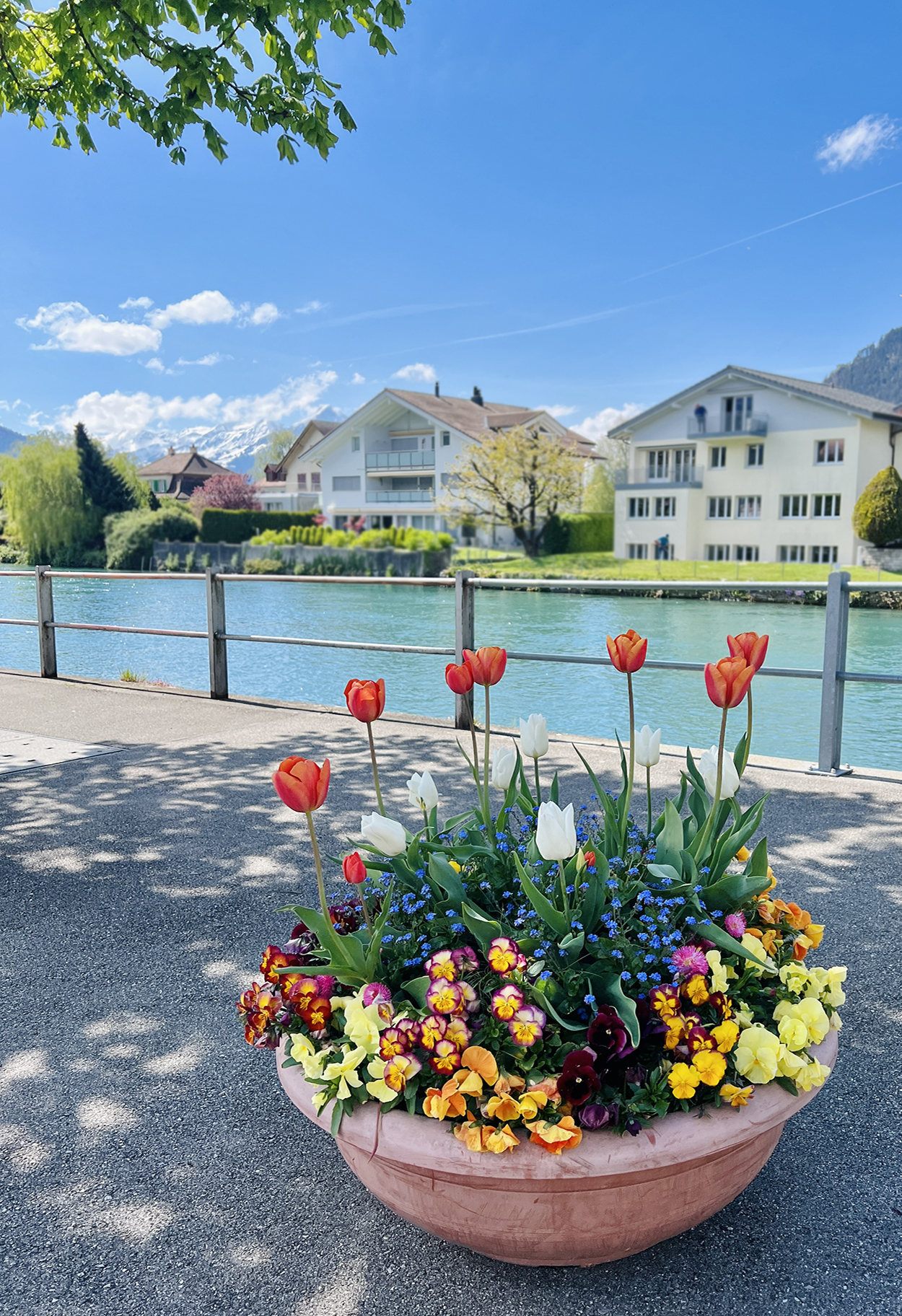
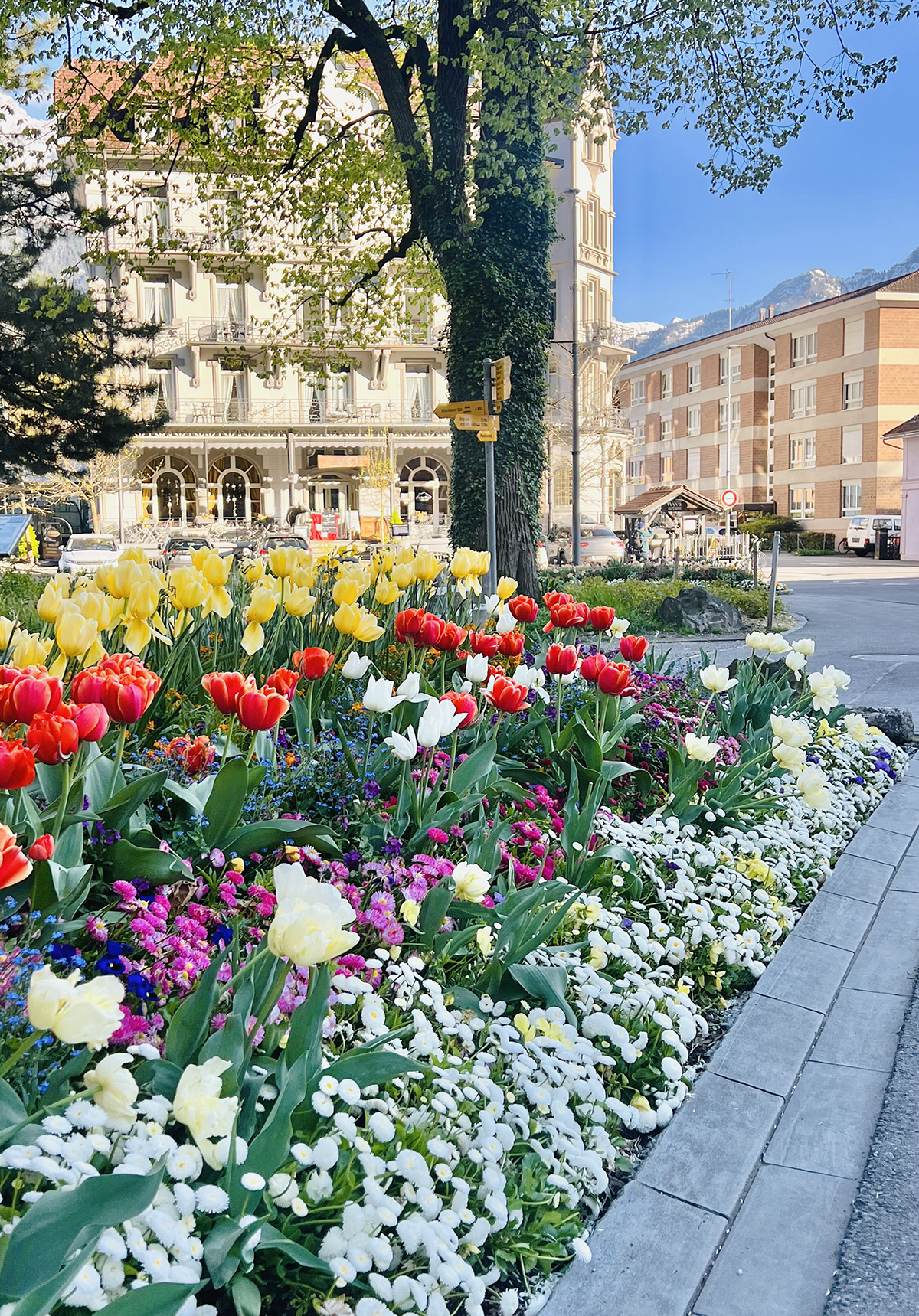
    Last April I had the delightful experience of traveling through Switzerland with a group of travel besties, what fun we had! We spent nine days wandering through the mountains and valleys, riding trains, catching glimpses of waterfalls, and a little too much fondue. 🙂

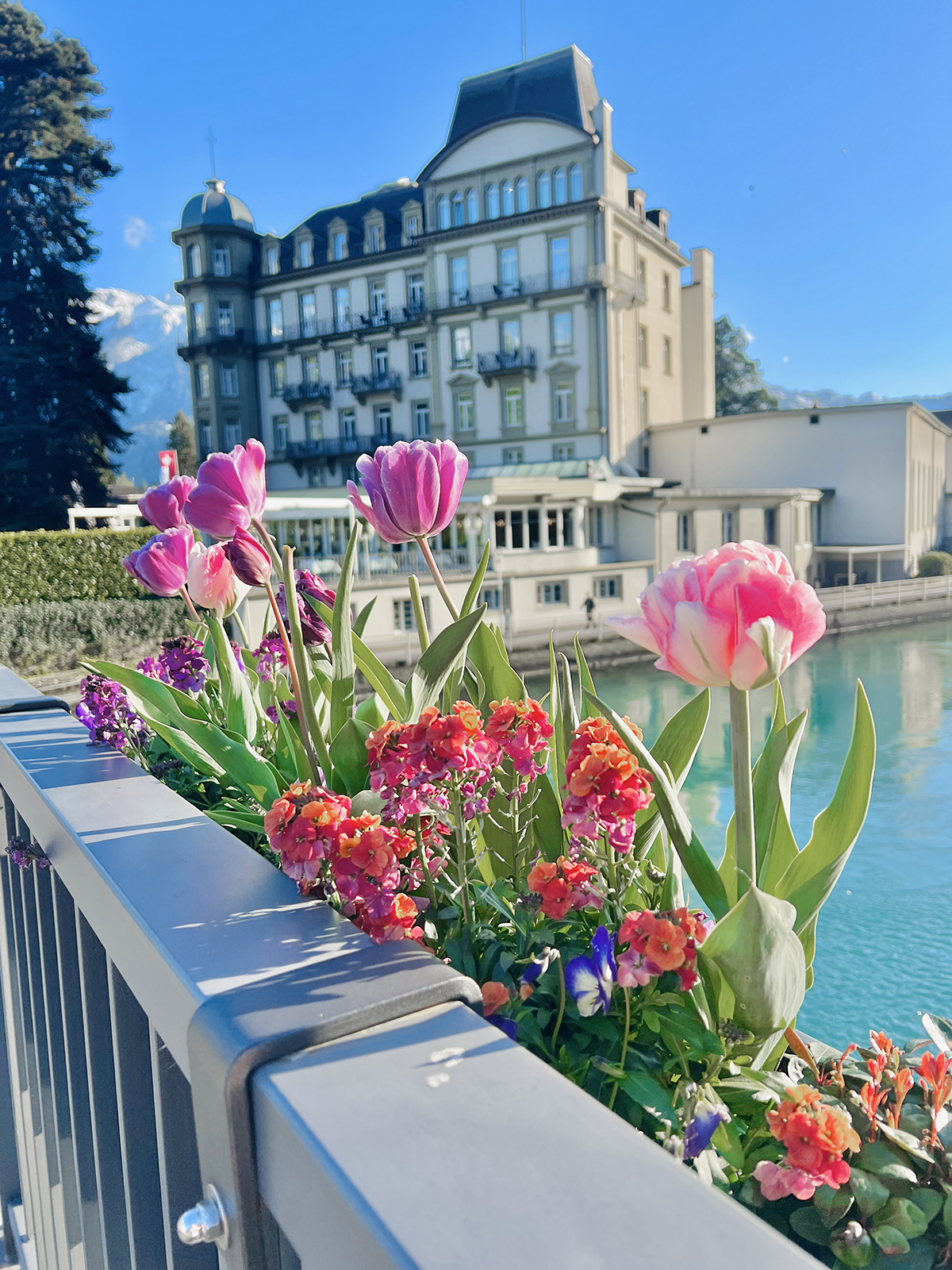
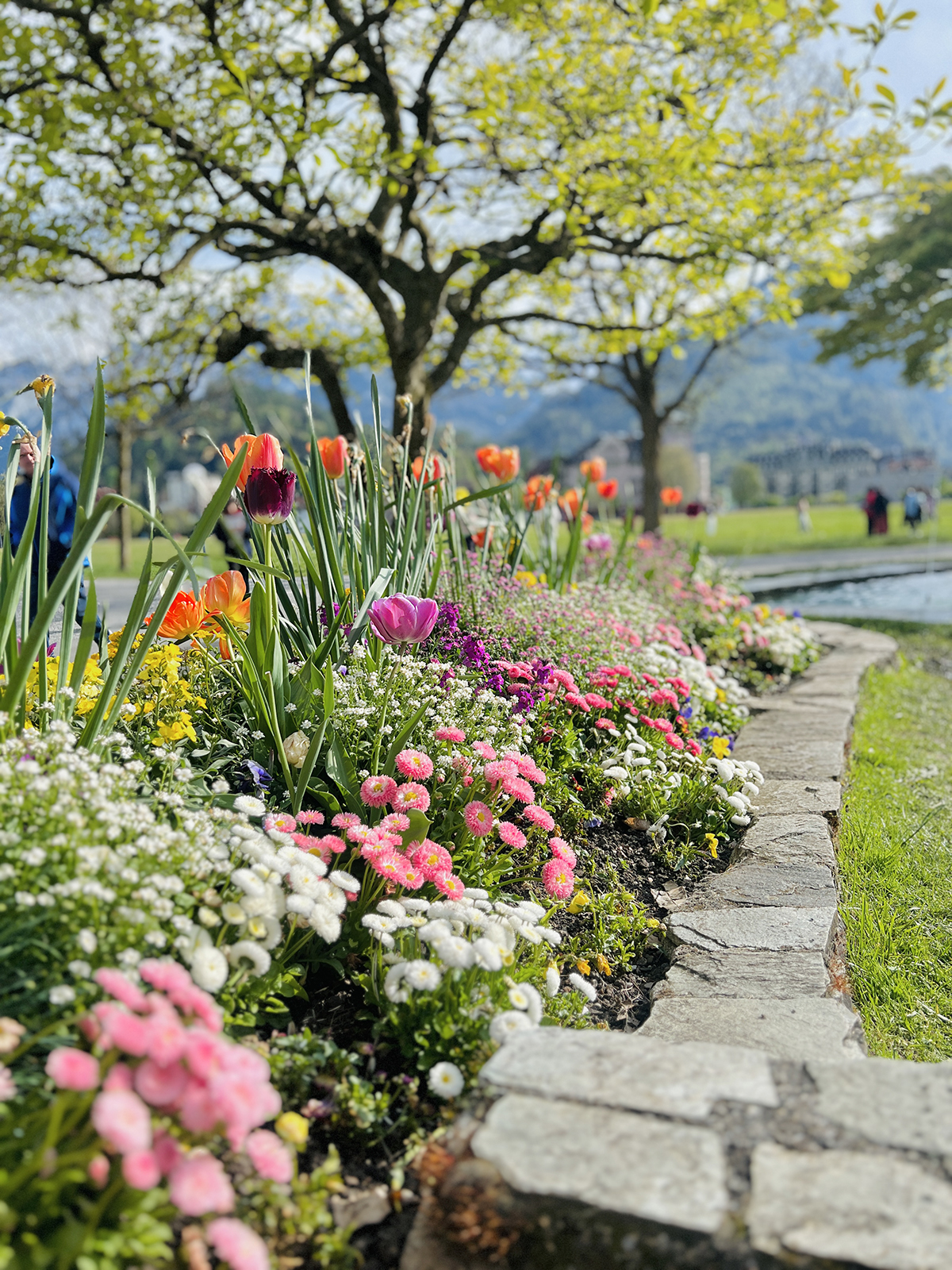
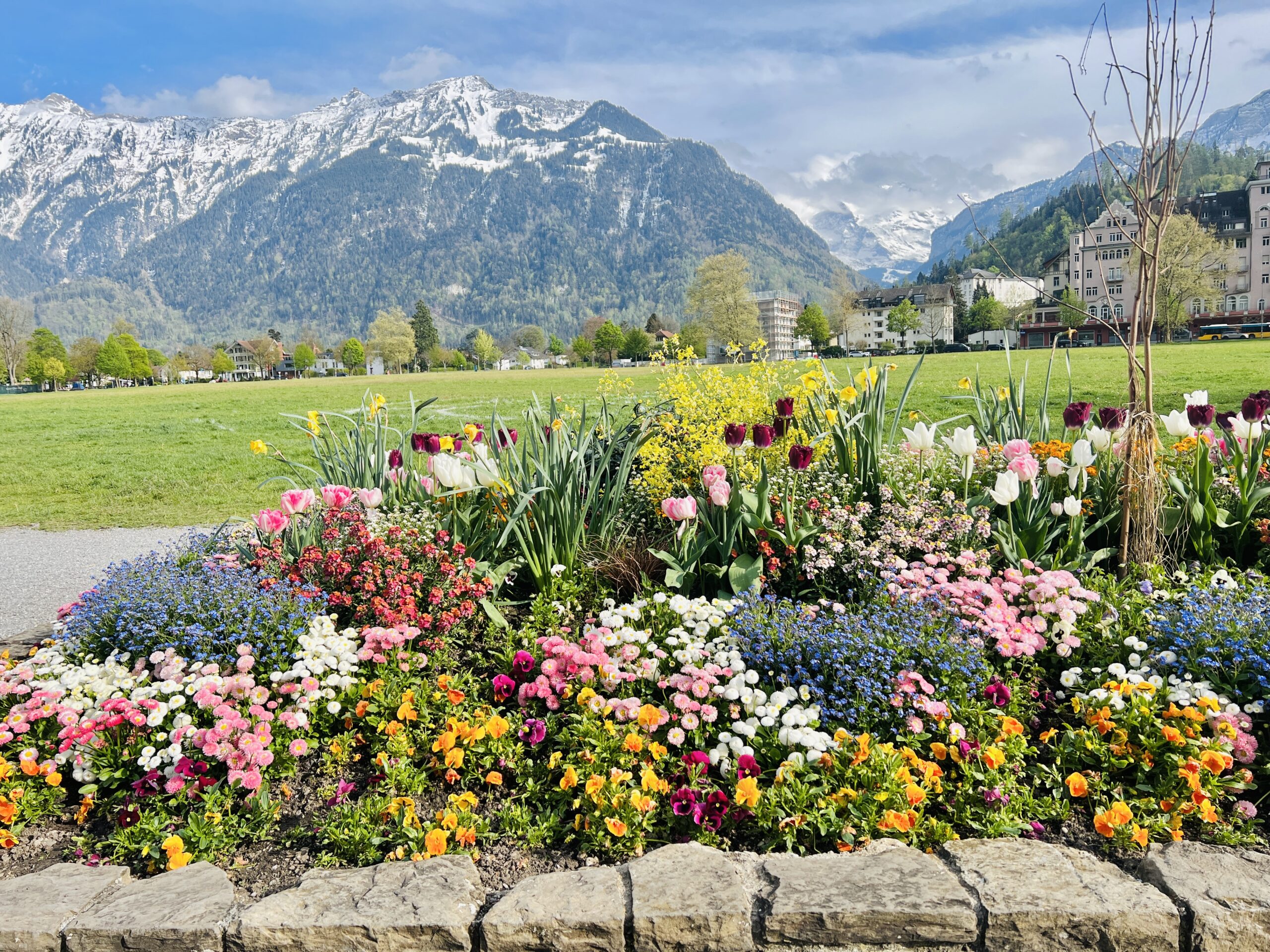
    I couldn’t let spring pass this year without sharing a few inspirational photos and our route though the country in the last week of April. Warning: gratuitous flower photos ahead! Our trip took us via train from Zurich, through Bern, down to Interlakken, then down to Lugano on the border of Italy (with a 48 hour visit to the Lake Region to stay in Bellagio on Lake Como) then back to Lucern by train and ferry and returning to Zurich by train for our departure. We didn’t have time on this trip to wander over to the French side to see the region around Lake Geneva, but I’d been there before many years ago.

    Spring was just beginning in the northern part of the country, we landed in Zurich where it was a bit chilly and overcast and the trees had yet to bloom. I feel like we arrived about two weeks early, but that didn’t stop us from enjoying the city for two days, and ordering pots of fondue for dinner.

    In the evening, my friends and I would stroll up and down the banks of the Limmat River, the light was perfection. Zurich is lovely by day, but in my experience, even lovelier during the evening during a twilight walk when the color of the sky and the lights reflecting off the Limmat River make you feel like you’re walking in a painting.

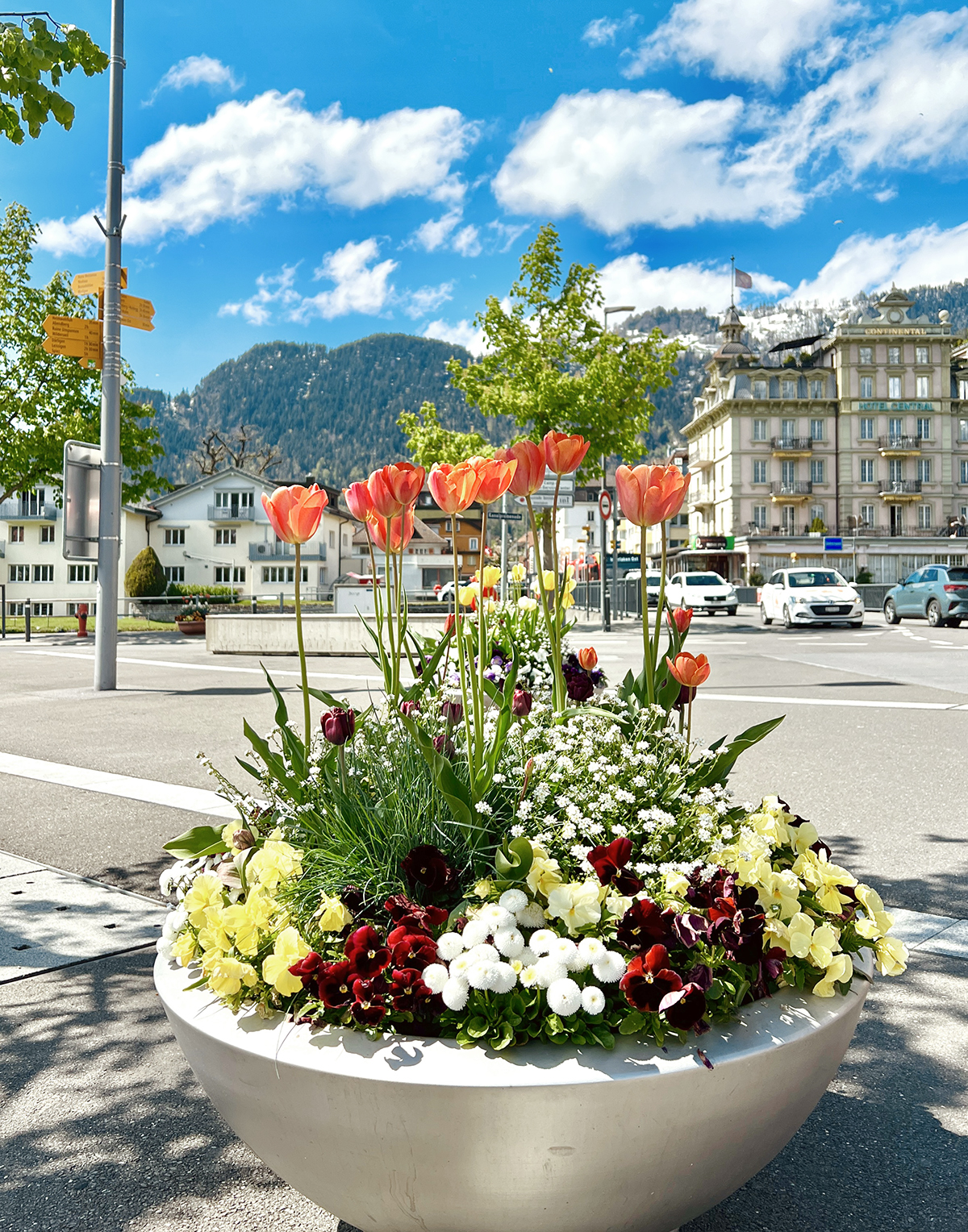
    We rode a very scenic train from Zurich through Bern down to the Interlakken Valley. Your eyes can’t even take in the scenery, it’s incredible. Little Swiss chalets, sheep and cows, a valley of vivid green filled with flowers in bloom. You’ll notice my obsession with the cement flower pots around town. Whomever is responsible for the flower beds around town deserves an award in gardening. 🙂


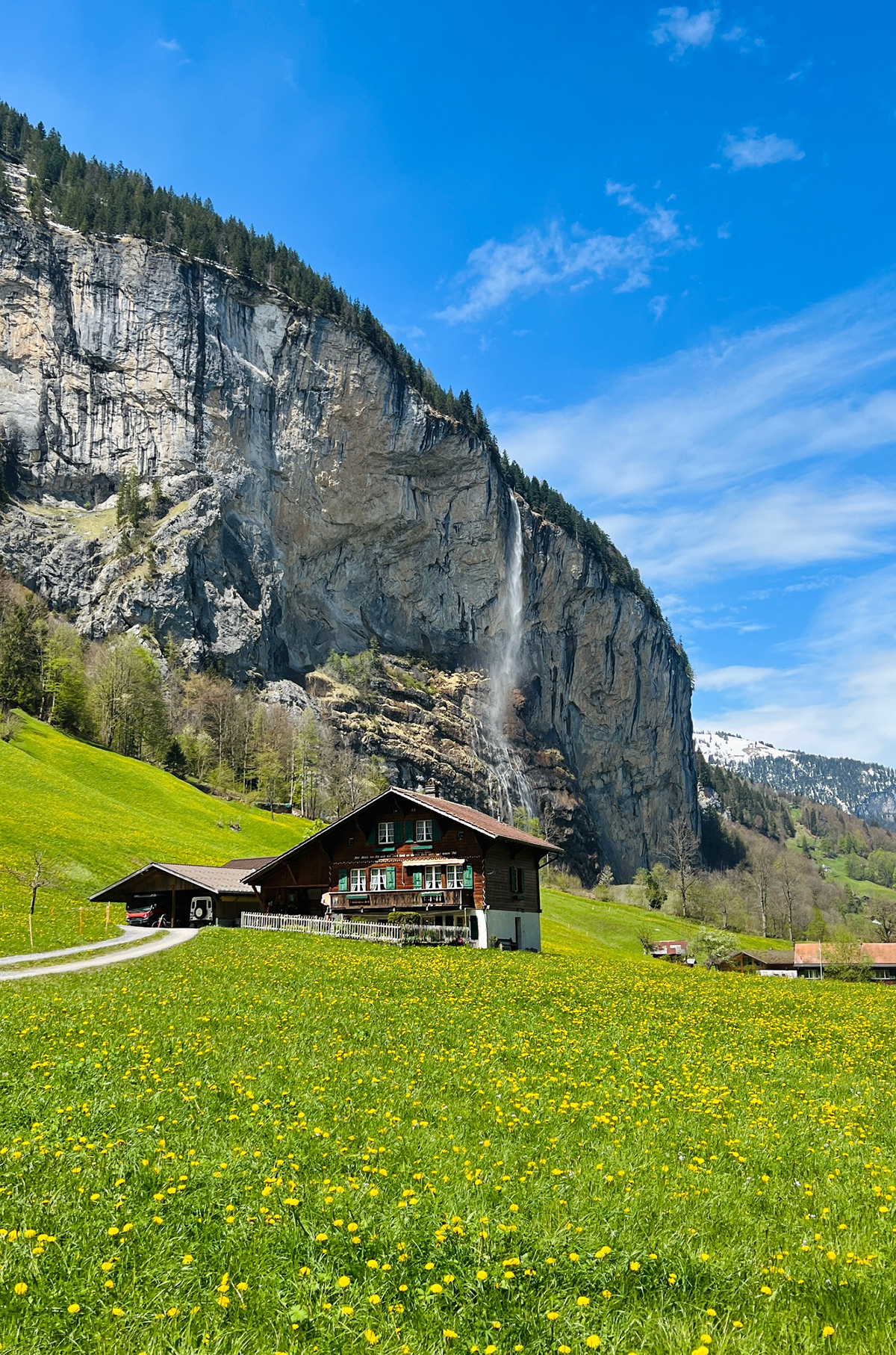
    We certainly arrived in Interlakken at the perfect time in the last week of April, the snow had just melted in the valley the week before. (Although if your ride the funicular up the mountain to Harder Kulm, the seasons switches from spring to winter in ten minutes.) A leisurely stroll through the valley takes your breath away as you make your way past waterfalls and the happiest cows. The walk takes you all the way to Trümmelbach Falls where you can witness the spectacular site of a waterfall inside of a mountain.


    From Interlakken we took another scenic train to Lugano where you can feel the shift from German influence to Italian. We ate pizza and drank Italian wine on the shores of Lake Lugano. Did you know it’s so easy to get to the lake region of Italy from Lugano? We hopped a bus that in an hour took us across the border to the town of Menaggio where we then took a ferry and were on Lake Como arriving in Bellagio the very next hour. Bellisimo! I’ll save that 48 hour adventure for a separate post.

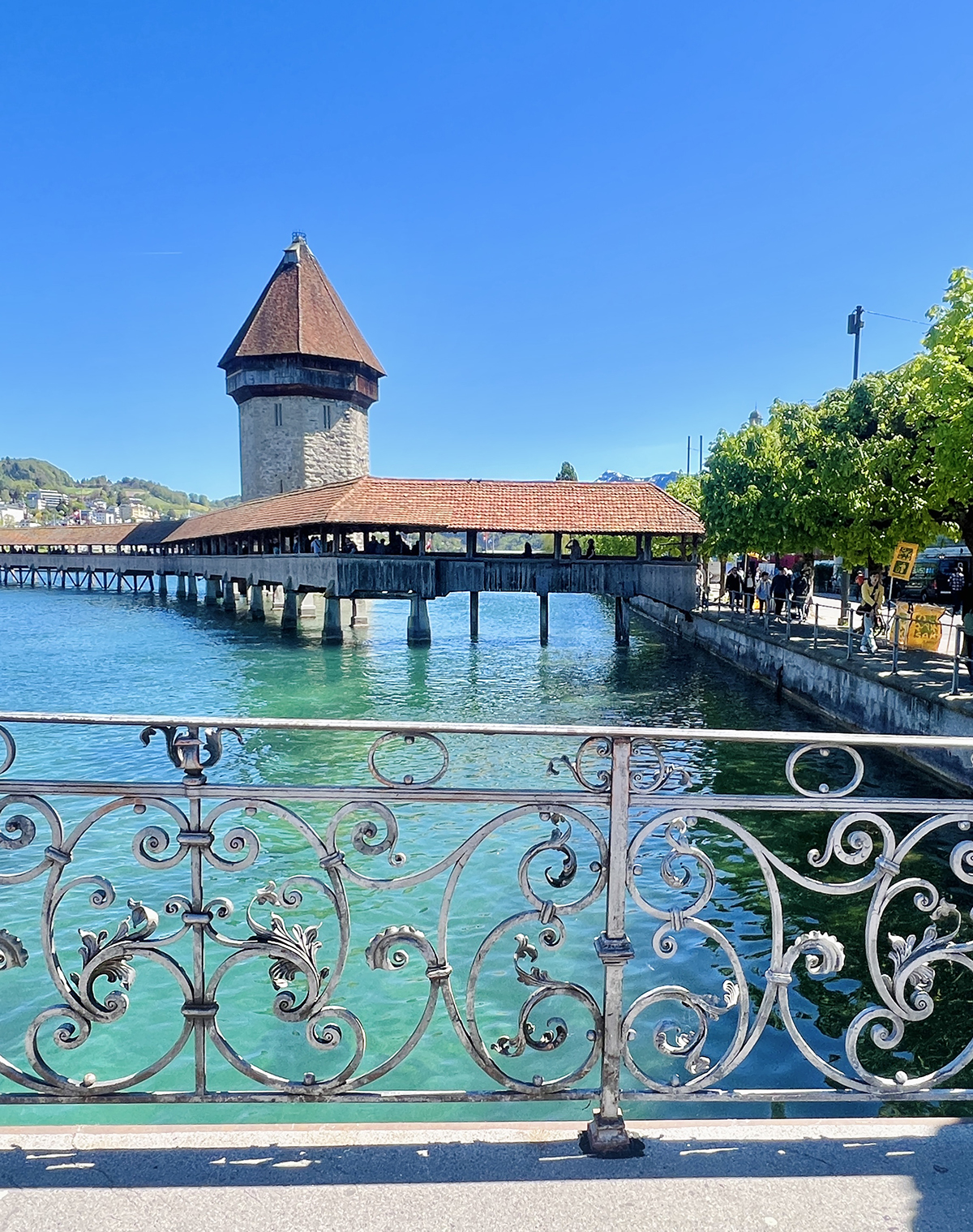
    Our last part of the loop around Switzerland took us from Lugano to Lucerne. I highly recommend the Gothard Panorama Express train ride, it takes you on a glass domed train from Lugano through the southern part of the country to the edge of Lake Lucerne where you then catch the leisurely 2 hour ferry across the lake to the heart of the town of Lucerne. This was the final highlight of the trip where we enjoyed a beautiful lunch served in front of huge picture windows as the chateaus and castles on the shore drifted by. Stunning!


    Switzerland is the most scenic country and riding the trains through the countryside was a dream come true! Late spring and early summer is a perfect time to go. Ask me any questions about our route in the comments, happy to answer!


    Source link

  • Weekend Reading 6.1.25[/gpt3]

    Weekend Reading 6.1.25[/gpt3]


    Greetings friends, it’s been a minute! Happy summer, happy June! I spent last week in Florida working remotely from our house, the one we bought years ago and rent to snowbirds each winter. It was good to be back and spend a few days at the beach. I also took a trip to Greece for 10 days in the early part of May, that was amazing! I’ll post pictures soon. Did you catch the photos I shared of my spring trip to Switzerland last year? Woah the flowers and scenery!

    I’m home in California for most of the summer and looking forward to doing some local adventures here in Northern California. Years ago I posted about the best spots to visit in Sonoma County but it deserves an update! I’m thinking I’ll post a bit more this summer about some of the best things to do between San Francisco and Lake Tahoe. California is a beautiful place to visit in summer. 🙂

    Favorite links from the week:

    This elegant Washington D.C. townhome and garden extension.

    So lovely: the dark tones and wood finishes in this home.

    Very cool: the mid century vibes and botanicals surrounding this abode.

    Perfect for summer: these light and bright well decorated spaces.

    Why slow decorating is the key to authentic interiors.

    Plants that thrive in the shade.

    Free and fun things you can do during the summer.

    Guess which brand won America’s trust as most favorite for 2025?

    Life lessons from older adults.

    The lifetime effects of a fixed vs. growth mindset.


    Source link

  • Weekend Reading 8.31.25[/gpt3]

    Weekend Reading 8.31.25[/gpt3]


    Hello all, happy (almost) fall! We’re still in summer mode around here, although my kids are back at their universities now. The house was full all summer and now it’s empty again. Sigh. It’s cleaner, but a lot quieter.

    I did what a lot of empty nesters do, I started moving furniture around. I moved the sofa out of our study and placed my desk under the window so I can work from home when needed. With winter coming, having the electric fireplace nearby will be cozy.

    The biggest news is…. I switched law firms. I was offered a new opportunity at a firm specializing in property litigation, now all my clients are developers and contractors, which is where I wanted to land. I love architecture, renovation, and design, so having clients that work in that industry is exciting for me. I also work less hours in my new position, so my hope is to start blogging again. Not weekly, more like once or twice a month… but that’s my goal. 🙂

    September holds a lot of excitement: my stepdaughter’s wedding, a birthday trip to Hawaii, and a trip to London and Bath. On a whim, Matt and I decided to attend the Jane Austen Festival the second weekend of September, and we have Regency era attire to wear. People come from all over, the town will be dressed up, there are balls, parades, a theater production, and high tea, what fun it will be! I’ll share a blog post on that event for sure.

    Favorite links of the week:

    Green lovers, get ready to be inspired: 37 unexpected color pairings in layered interiors.

    Dreamy: all the patterns and prints in the 2025 Southern Living idea house.

    America’s first “car free” neighborhood.

    How do to arts & crafts style in a contemporary way.

    Home office bookshelf inspiration.

    This 20th century guide to distinguishing between colorful European glass.

    Landscaping ideas that add real value to your home.

    Clever ways to hide kitchen outlets.

    Peak season for fall foliage all around the USA.

    Electricians weigh in: don’t use extension cords to power these items.

    Habits that keep your brain sharp as you age.

    September travel destinations and this new way to vacation: hybrid solo travel.


    Source link

  • Sources for Keepsake Table Linens[/gpt3]

    Sources for Keepsake Table Linens[/gpt3]


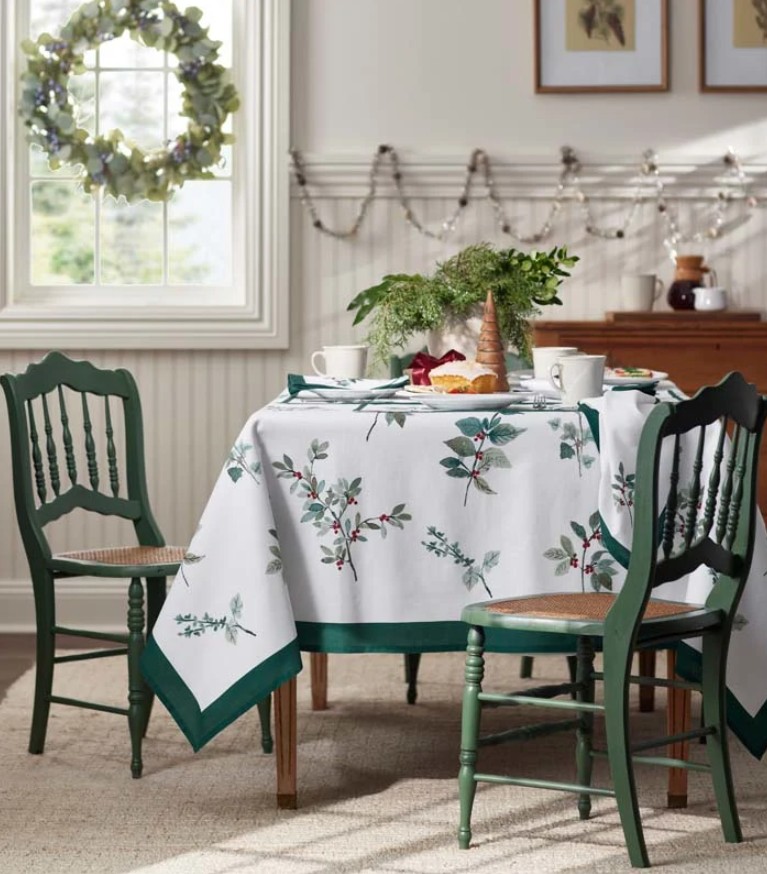
    I look forward to it every year, planning a dining room tablescape in anticipation of Thanksgiving and Christmas dinners. For the holidays, I prefer classic patterns like tartans or leaf motifs, or something with a little metallic sparkle, but there are no rules as you can scatter festive decor over just about any pattern and make your tablescape chic and unique.

    Having a tablecloth or a runner you can decorate with then put away and return to again in seasons to come is a wonderful tradition. I bought a new set of neutral plates recently, these Coupe Dinner Plates in Sand that pair beautifully with these Havana coupe salad plates in gray, the hues together are a perfect match. Now to find the perfect tablecloth for our upcoming feasts!

    These sources below may assist you your search for table linens. Just browsing through the vendors, you’ll find additional sources for seasonal tablescape inspiration. I always study the layering and the creative medleys of accessories and botanicals.

    Hudson Grace


    Coral & Tusk

    Mrs. Alice

    Birch Lane

    Lulu & Georgia

    Williams Sonoma

    Petite Plum

    Crate & Barrel

    Maison Margaux

    Company Store

    Hummingbird

    Flying Sheep Country 

    Terrain

    Etsy


    Source link

  • Bloom of the Month: Amaryllis[/gpt3]

    Bloom of the Month: Amaryllis[/gpt3]


    We fill our homes with evergreens this time of year, and one of my favorite things about December is the botanicals that are also a part of the traditions of this season: poinsettia, paperwhites, and amaryllis.

    This year my red amaryllis had three separate blooms, props to Trader Joe’s for whomever they chose as their amaryllis supplier, I’ve had flowers for weeks from a single bulb.

    I love a vivid solid red bloom, however amaryllis is available in several varieties and colors including pink, white, and variegated striped petals.

    Interestingly, the trumpet shaped flowers we buy for their holiday blooms are forced indoors, but outdoors, their natural flowering time is spring.

    Amaryllis can rebloom with proper care. With an adjustment to their watering schedule and storage conditions, your amaryllis will bloom repeatedly. Bulbs need to go through a rest period after flowering to recover and bloom again.

    When the amaryllis flowers wilt, trim the spent flowers so the plant doesn’t waste energy forming a seed pod. Do not cut away the stems or leaves.

    Allow the leaves to grow throughout the spring and summer in indirect light, watering regularly. Continued leaf growth ensures photosynthesis, which helps the plant store energy in the bulb for future growth. The collection of energy after the flowers expire is essential for repeated blooms.

    As long as the flower stem is green, it continues to photosynthesize helping the bulb to store energy for future flowers and foliage. Once the color lightens and starts to turn yellow, remove the stem, trimming it close to the base. Apply a water soluble fertilizer eight weeks before your desired blooming period which allows the bulb to bloom again with the additional nutrients.

    Wishing you all a lovely Christmas!


    Source link

  • Delft Tile Revival & Factory Tour[/gpt3]

    Delft Tile Revival & Factory Tour[/gpt3]


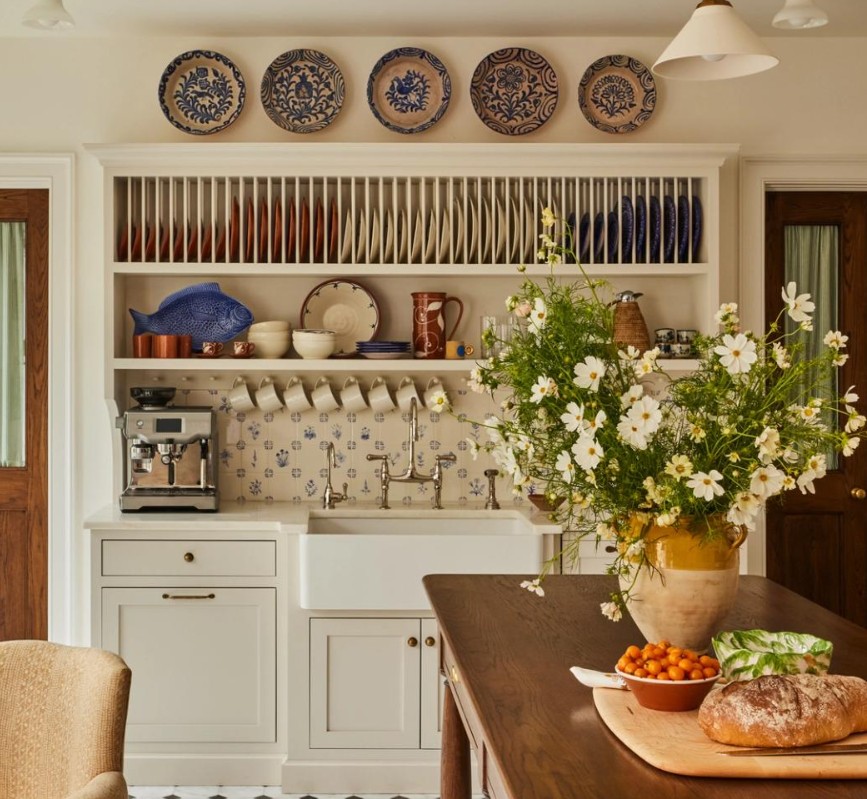
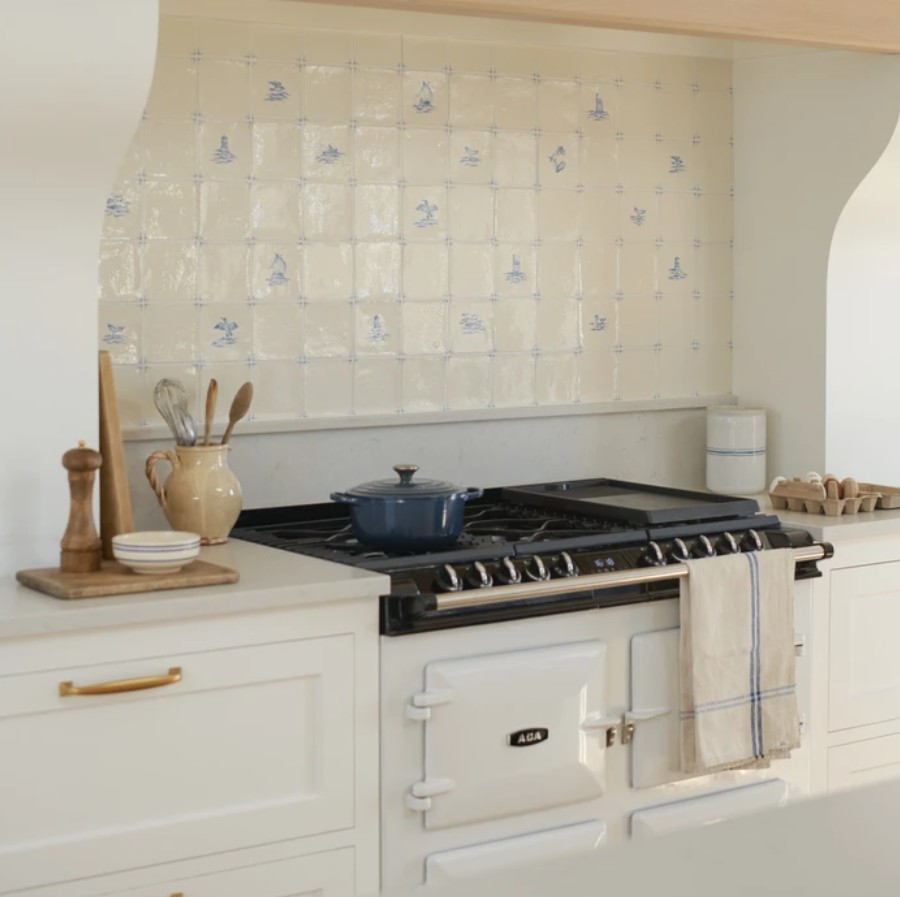
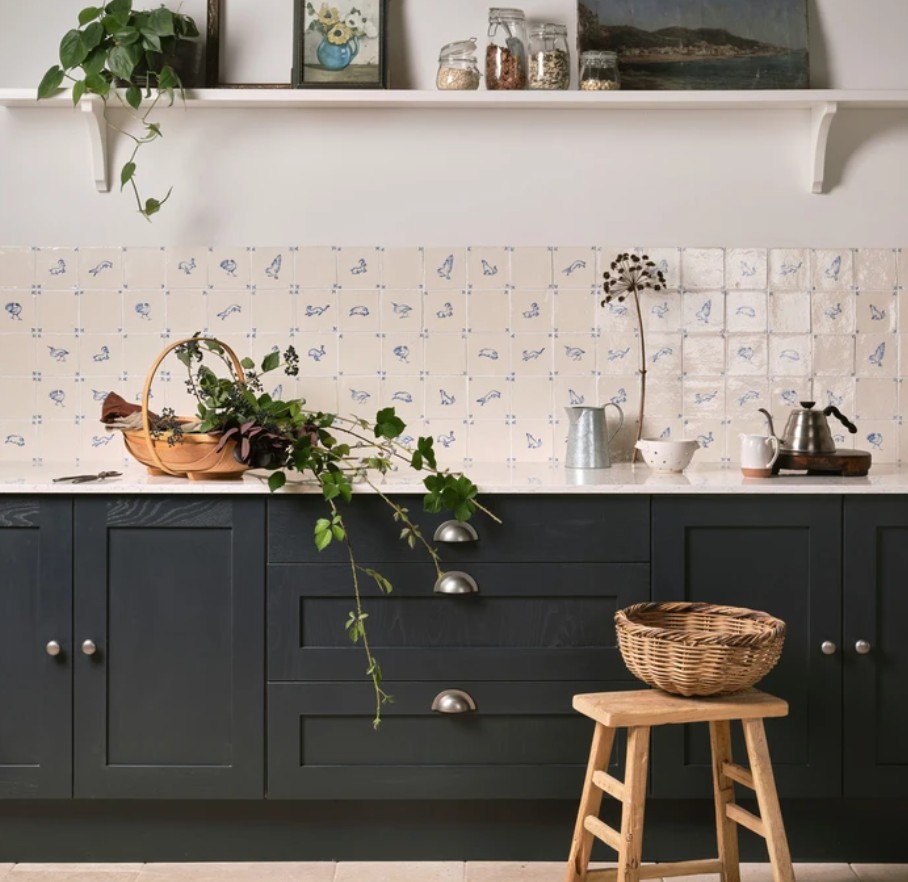
    The appeal of rural living in the countryside continues to play out in interiors, with pastoral kitchens and cottage style surging in popularity as a respite from a modern world consumed by technology. Delft tile is also experiencing a revival in kitchens and bathrooms where the delicate blue and white motifs are popping up again as a classic choice in design.

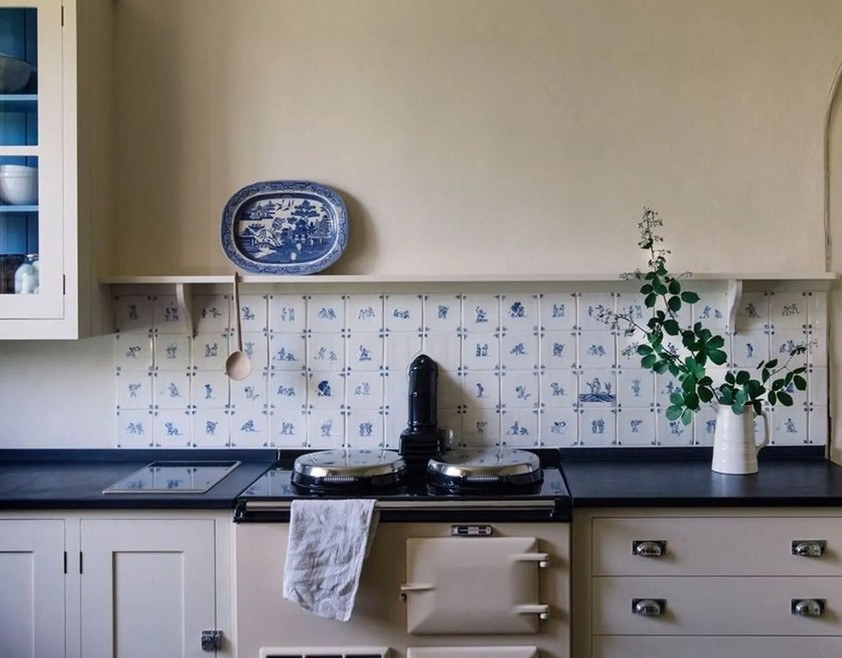
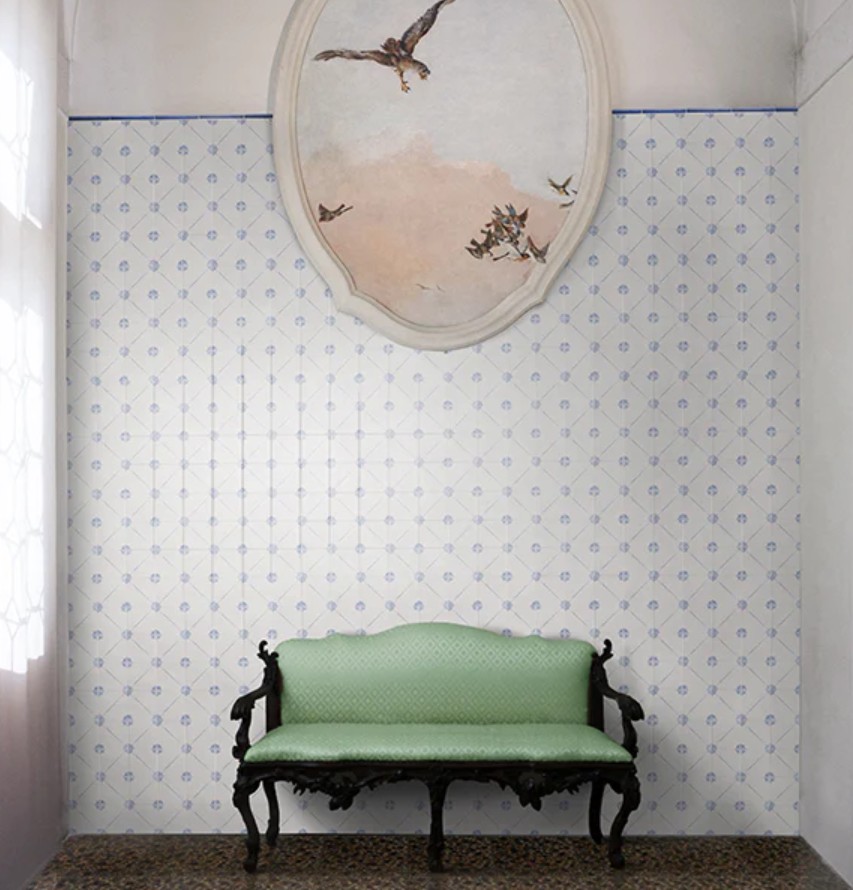
    The traditional hand-painted in blue and white tiles originated in the Netherlands in the 17th century and often feature delicate scenes of a simple life. The classic blue-on-white palette remains fresh and timeless, pairing beautifully with everything from quartz countertops to rustic wood cabinetry. Delft tiles possess an enduring quality rooted in craftsmanship and appealing to many as storytelling in small scale. Delft tiles have a long history in design, the iconic blue and white designs have been installed throughout the centuries all over Europe.

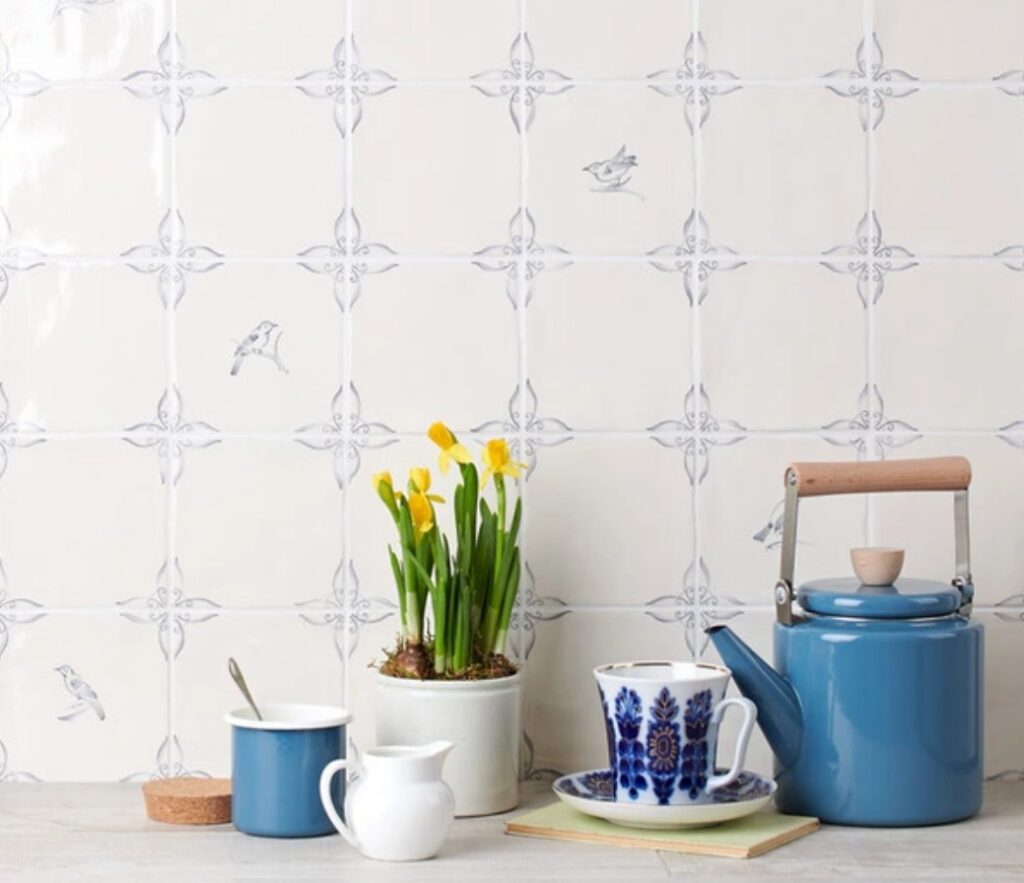
    A Delft tile backsplash brings personality and artistry into a living space. It acts as both a functional surface and an appealing focal point, turning an ordinary wall into a gallery of miniature artwork. Whether arranged in a uniform pattern or mixed with coordinating tiles for a collected look, Delft tiles add a charm and warmth that appeals to homeowners who want a space that feels meaningful, layered, and European rather than modern or utilitarian.

    via schoolhouse

    via @plainenglishdesign

    marlbourough tiles

    cle tile

    bambi alynn design

    Delft tiles often feature delicate scenes of pastoral life including botanicals, miniature animals, geometric borders, or thematic elements like ships and biblical motifs.

    petra palumba

    cle tiles

    marlbourough tiles

    Where does the iconic blue color come from you might ask? Its source is an oxide applied to bisque ceramics. The story below:

    How is hand painted Delft Blue made? The craftsmanship is explained on their site:

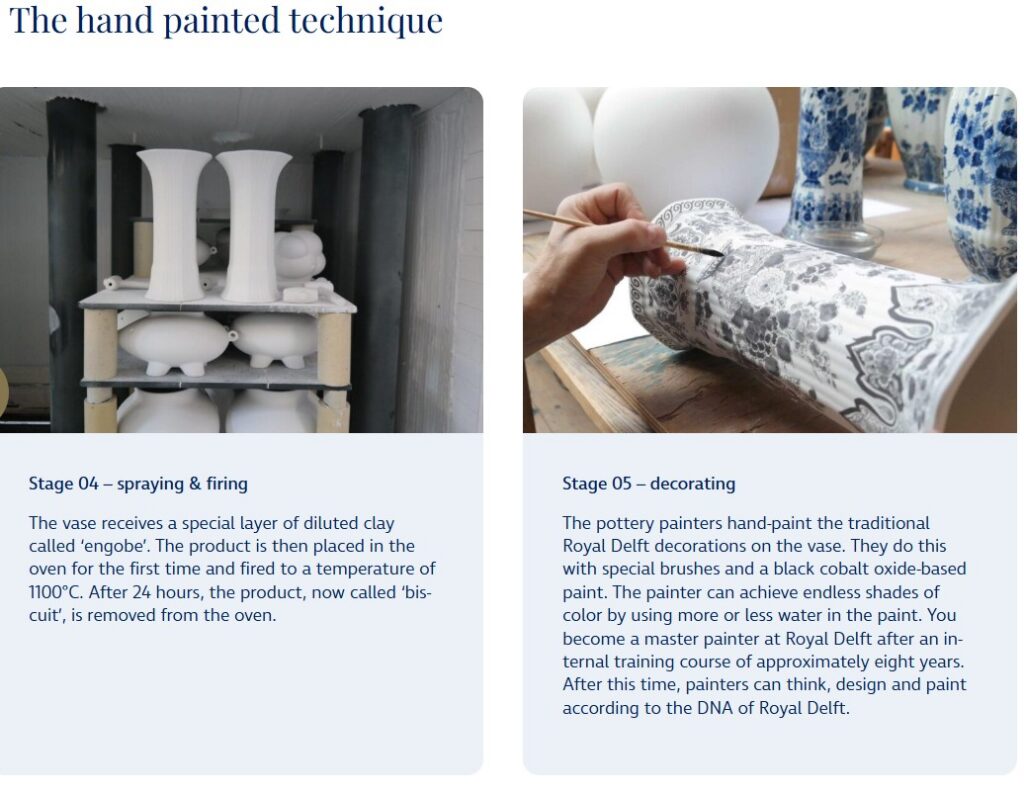
    The origin and core of Royal Delft is hand-painting high-quality Delft Blue ceramics. Decorating begins with applying the contours with charcoal, after which the pottery painters apply the details freehand with special brushes made of sable and squirrel hair. The paint is water-based and the color nuances are created by mixing the paint more or less with water. The Delft Blue decor is painted with a dye mixture that largely consists of cobalt oxide according to a centuries-old recipe. Due to chemical reactions during the baking process, the painted pattern changes color from black to the iconic blue.

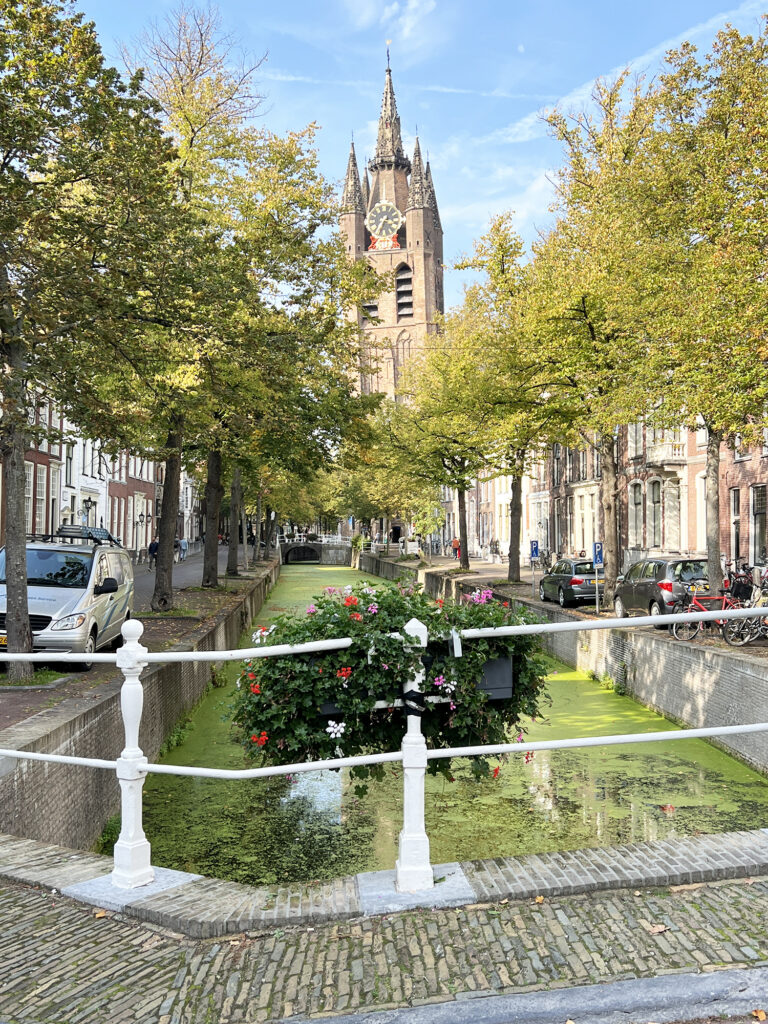
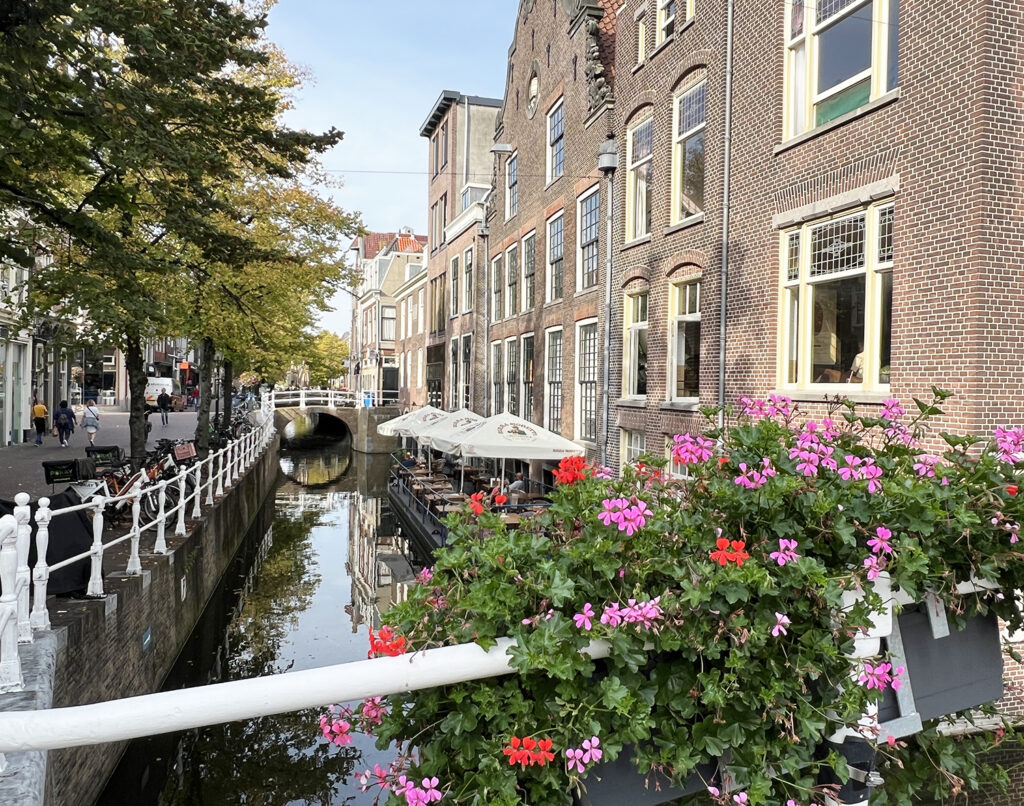
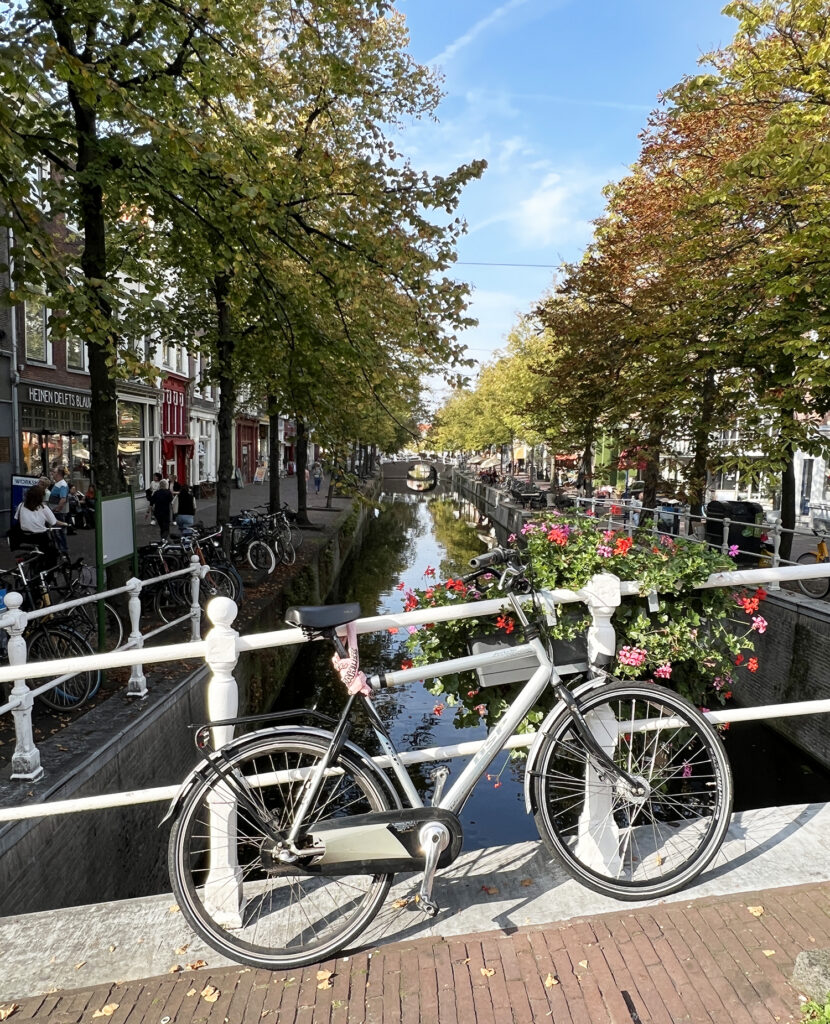
    A deeper dive into the tile scene includes a visit to the picturesque city of Delft, famous for its charming canals and historical facades, like many other cities in Netherlands. Delft is the birthplace of the world-famous ceramics.

    From Amsterdam, I hopped on a train, and walked from the station to the production house where I took the tour and browsed the impressive shop. Inside are all kinds of collectibles including the iconic tulip pyramids, a structural design that dates back centuries.

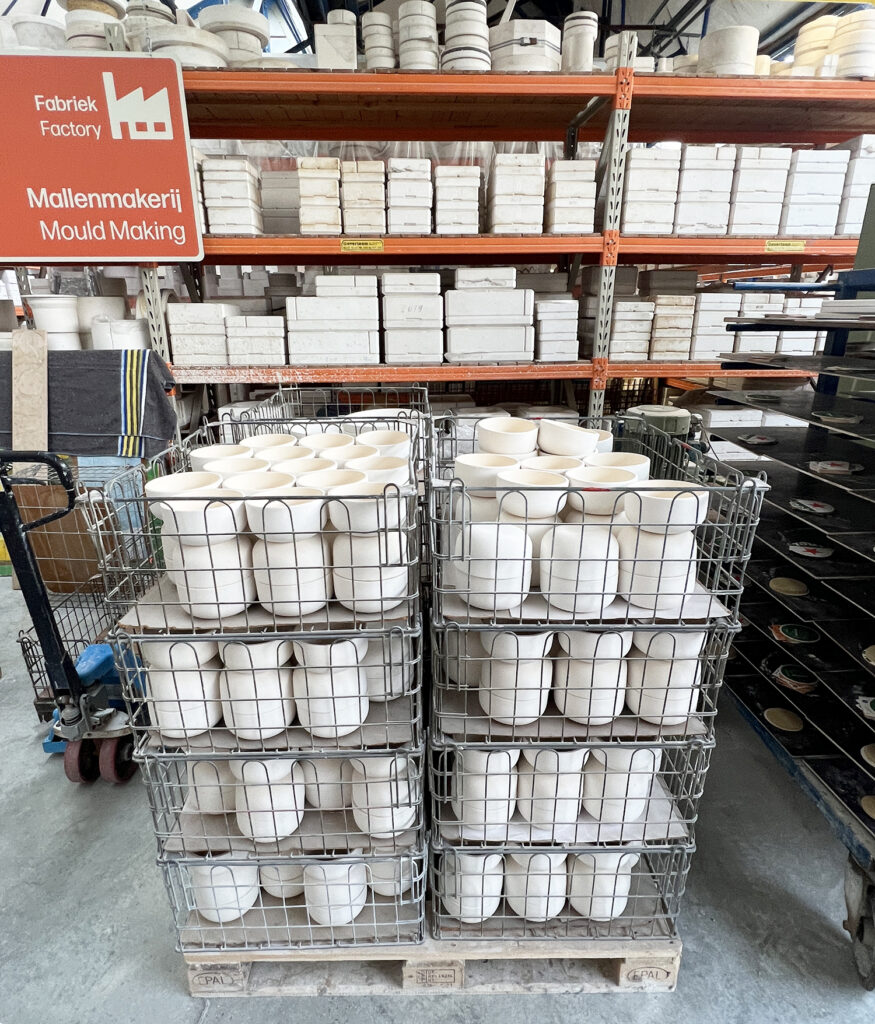
    Pay for the tour, and you can walk around inside their facility from station to station to see the entire creation process play out behind the scenes.

    It was most interesting observing the in-house artisans creating classic designs on porcelain and bisque using the dark oxide paint. Once fired the motifs transform under heat into the iconic blue Delft is famous for.

    Once you’ve selected something to bring home, don’t miss the lovely flower filled courtyard where you can enjoy a light meal before heading out to walk around the town.

    Delft is the charming small city, walkable like so many others, and lovely for spending a few hours strolling around and seeing the sites. It is easy to get there by train in less an hour from Amsterdam which makes Delft a delightful day trip.


    Many people like to travel to Netherlands in spring for the floral displays however the destination is equally as charming in fall. Have you ever spent autumn in Amsterdam?


    Source link